
Terms in this presentation
Temporality | 時間性
Taste Sensor and the Temporality
The basic principle of taste sensors is to analyze chemical substances that are taste components.
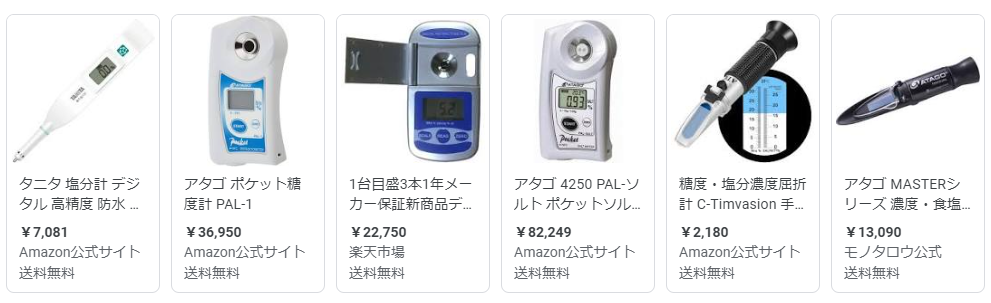
However, a precise analysis of the chemical composition of food does not represent the taste that humans perceive.
食品の化学成分を正確に分析しても、人間が感じる味を表現することはできない
The Features of the Human Tongue
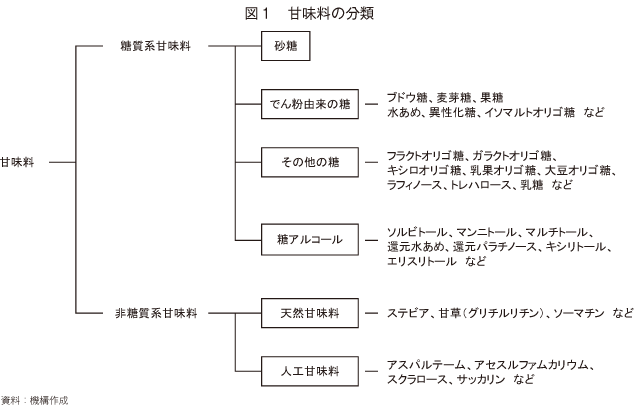
Humans perceive different chemical substances (sucrose and aspartame) as the same taste stimulus (“sweetness”)
ヒトは異なる化学物質(スクロースとアスパルテーム)を同じ味覚刺激(「甘さ」)として知覚する
The inhibitory/synergistic effect of one taste on the perceived intensity of another taste.
ある味覚が別の味覚の知覚強度に抑制的/相乗的効果を及ぼす
e.g., Sweetness inhibits the bitterness in coffee
“Intelligent” Sensors
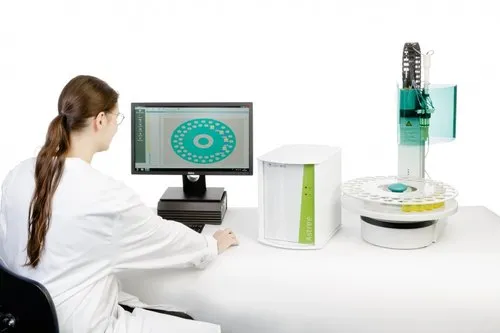
e-Tongue (Astree II), France
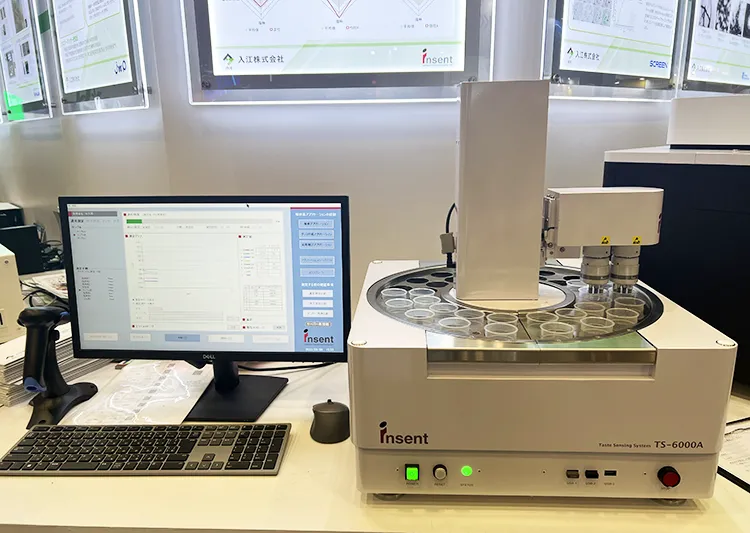
Taste Sensor (SA402B and TS-5000Z, TS-6000), Japan
What are “intelligent” sensors?
Intelligent sensors can reflect the human taste perception system in their component analysis as information processing.
インテリジェントセンサーは、成分分析の情報処理に、人間の味覚知覚システムを反映させることができる
Evaluation of taste fingerprint : the electronic tongue detects all organic and inorganic compounds responsible for taste in liquids. With hits specific data processing software based on multivariate statistics, the instrument can assess the overall taste profile, just as the human tongue does.
ASTREE Electronic Tongue
試料全体の相乗効果を評価できる
Taste sensors and the Temporality
Taste sensors have limited temporality
Initial Taste and the After Taste |先味と後味
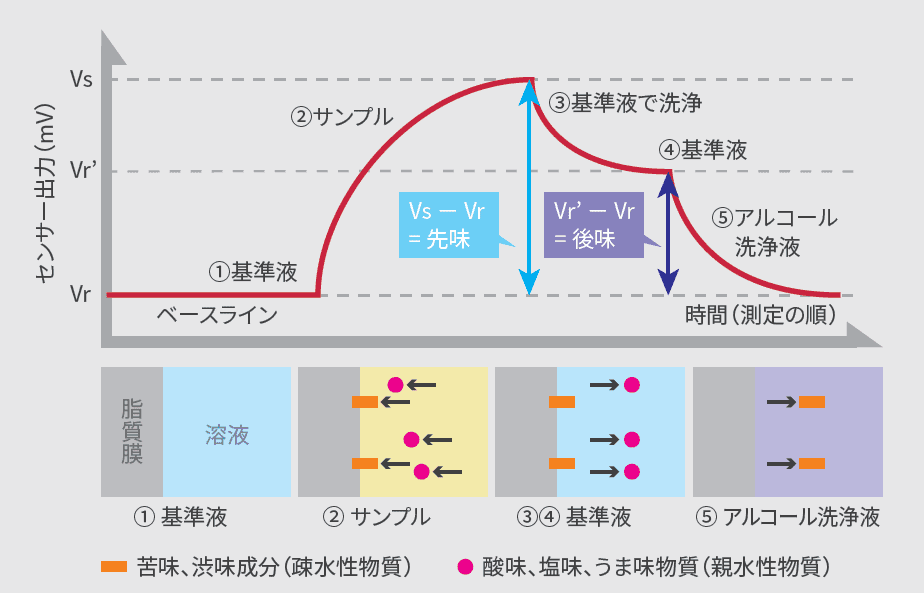
Temporality of Our Eating Experience
Time of the object 対象の持っている時間
Time of the cognition 認知の時間(身体的)
Time of the phenomenon 現象の時間(心の時間)
Four Aspects of the Time of the Phenomenon
non-temporal 無時間
linear temporality 線形時間
circular temporality 円環時間
point temporality 点時間
These four temporalities are not determined a priori but generated by the eater’s attention.
Attempt: An illustration of the Temporality
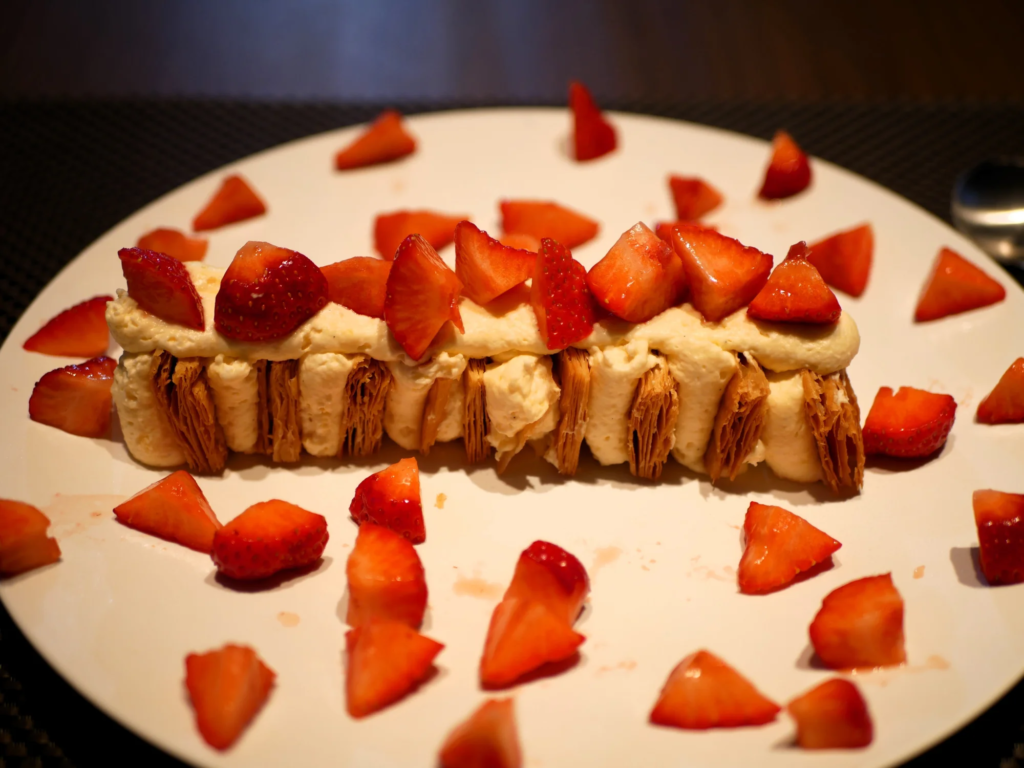
The strawberries scattered on the plate play different roles in the beginning and the end of the dish.
The strawberries eaten at the beginning of the meal function to tell the taste of the strawberries or to introduce the flavor of the strawberries.
In order to understand the function of the strawberries in the latter stages, it is necessary to interpret the flavor of the millefeuille in the main body of the dish.
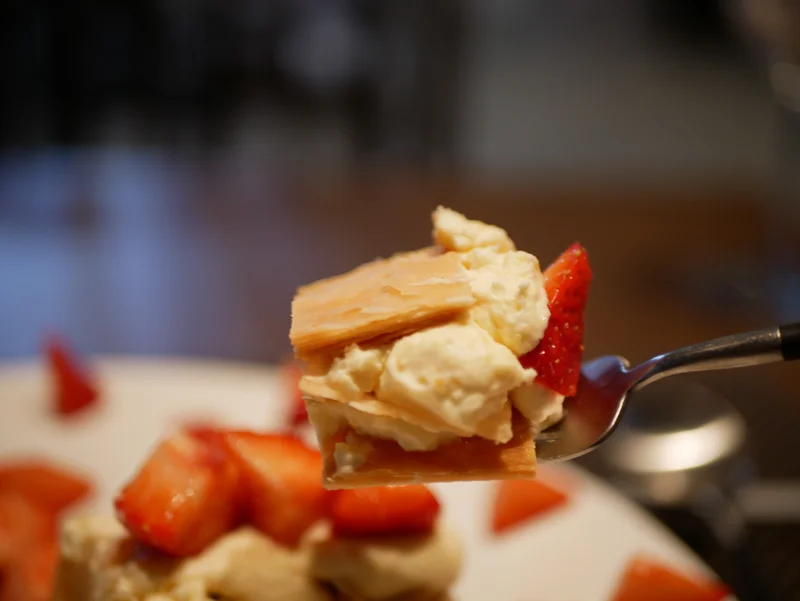
- The pie pastry is not so hard type.
パイ生地は固くない - When pressed against the custard cream with the tongue and teeth, the pastry dissolves effortlessly without requiring a bite, instantly enveloping the tongue in the smoothness of the cream.
噛まなくても崩れていく - There is no sensation of strawberry juice separating from the custard cream and flowing out.
- While the strawberries provide a fibrous texture and a refreshing acidity to the tip of the tongue, the carefully controlled juice harmoniously melds with the pastry and cream, creating an impression of “strawberry custard cream” rather than separating out.
イチゴもクリームに溶けていく - The perfect harmony of pastry, cream, and strawberries creates an impression of “strawberry custard cream,” where everything melts together in the mouth, to the extent that one might almost forget the awareness of “eating strawberries” as they progress through the middle and later stages.
パイ生地とクリーム、イチゴの完璧な調和は一体となって「イチゴカスタードクリーム」に思えるほど。
ややもすると中盤は単調で、イチゴをたべていることを忘れそうになる。
To prevent this forgetting, the role of the strawberries scattered on the plate from the middle to the end comes into play.
The strawberries scattered on the plate ensure a return to the main theme that might otherwise be lost due to the remarkable harmony.
Summary
The different experiences of the beginning and the latter half of the strawberries
cannot be explained with the “Intelligent Sensors”.
It is because… the temporality is not installed
— Phisycal temporality; fatigue of the tongue (味覚疲労、飽き)etc.
— Mental (Phenomenological) temporality
But it does not stem from shortness in sensor capabilities or the scientific knowledge supporting them.
科学的な知識、センサーのスペックが不足しているわけではない
Rather, the shortness lies in the philosophical and theoretical understanding of what should be sensed.
むしろ、何を測るべきか、食べるとはどういうことか、という思想・理論の不足
Taste sensors themselves are capable of detecting taste components more “accurately” than humans, “objectively” across various conditions, and with an unparalleled sensitivity to subtle taste components.
味センサは人間より正確で客観的だが…
If taste sensors are to transcend mere component analysis and aim to reproduce “eating” as an intellectual behavior of machines, what is required is philosophical and theoretical leadership in science.
人が「食べる」ことを再現しようとするならば、科学を先導する思想、哲学が求められている