This week, let’s consider sensory enhancement.
What are some ways to enhance the five human senses?
EXAMPLES
Vision enhancement: Glasses
Hearing enhancement: hearing aids
Taste: ???
Olfaction: ???
Tactile: ???

How can the sense of taste be enhanced?
Enhance taste: Physical approach?
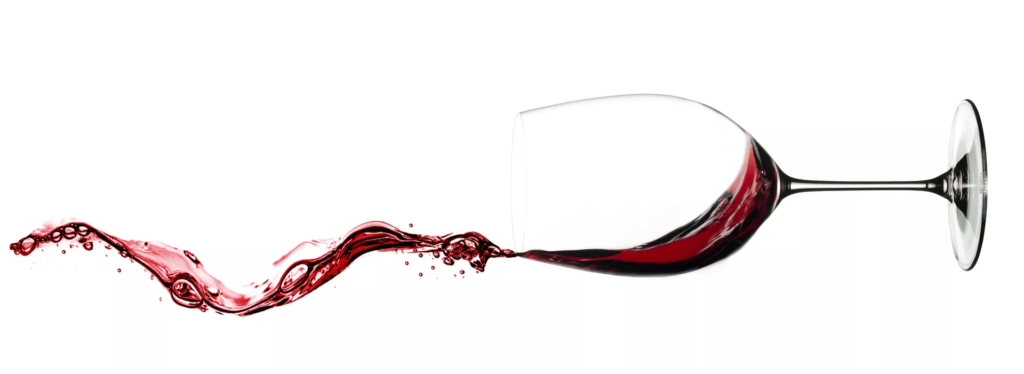
Use stemmed glassware for fine dining and stemless for casual dining.
Plan to invest ($) in ONE glass as much as you spend on average on a bottle of wine.
When you choose a grape varietal specific RIEDEL glass, understand that it is built for a purpose and performs at its best with a specific type of wine.
A grape varietal specific RIEDEL glass is a wine tool = “the key to wine” and is designed to unlock the most elusive characteristics of a wine.
https://www.riedel.com/en/riedel
IS THERE ONE GLASS FOR ALL MY WINES?
The three most versatile shapes for red and white wines are the OUVERTURE Doublemagnum, OUVERTURE Magnum and the VINUM Riesling Grand Cru, but please remember: shape does matter for maximum intensityand total enjoyment of wine.
One glass is not ideal for all styles of wine; a wine’s bouquet, taste, balance and finish are all affected by the shape of the glass it is consumed from. A wine will display completely different characteristics when served in different glasses. These differences can be so great, that when the same wine is served in several different glasses, even experienced wine connoisseurs believe that they are tasting as many different wines as there are glasses.
RIEDEL has created shapes that specifically enhance a wine’s harmony and highlight its unique characteristics.
https://www.riedel.com/en/riedel
Enhance Taste: Chemical Approach??
Are the following actions enhancements?
Adding salt to food
Adding salt to watermelon makes watermelon taste sweeter
Squeezing lemon on fried food
Using chemical seasonings
Using artificial flavors
Take zinc to improve your sense of taste
Put red paprika on top of the food
Use colorants
Shape the dish
arrange the food on a serving plate
Place white-colored fish on a black-colored plate
What is Taste?
The following quotation is from The Taste Culture Reader, written by Carolyn Korsmeyer.
Quotation 1
Recorded opinions about the sense of taste are filled with ambivalence and paradox.
Some theorists consider it beneath consideration; others recommend its cultivation.
Some regard taste as a mere matter of physical sensation, unworthy of extensive attention; others devote a lifetime to its exploration.
Some classify taste as a “lower” bodily sense, along with smell and touch; others consider it as complex and informative as vision and hearing.
Along with its close companion, smell, taste acts as a scout for foods we eat, selecting things that are nourishing and fresh and rejecting substances that are toxic or foul.
Food is necessary to sustain life, but the role that taste plays in bodily sustenance can also suggest a certain rudimentary, brute character to the sense.
Tastes can be intense and enjoyable, and only the strict ascetic would shun them altogether.
But their pleasures entice and intoxicate, inviting excess, even gluttony.
In evaluative systems that elevate the “mind” over the “body” such as one finds in a number of philosophies and religions, the multiple links of taste with physical maintenance frequently lead to neglect or outright derogation of activities associated with tasting and eating.
Quotation 2
What is taste? This simple-sounding question may be interpreted in several ways: What is the sense of taste and how does it work? What does it mean to taste something? How does one identify a flavor? When we refer to “the taste of honey” how do we know that the sensations of different tasters are comparable? The latter question arouses a venerable skepticism: all sense experience occurs within a perceiving subject, and we know from experience that not all people see or hear or feel or smell exactly alike (although it is important not to exaggerate differences either; if we did not on the whole share coordinating sensory worlds, life would be constant blunder).
This variability of “subjective” experience -that is, the experience of a perceiving subject- is nowhere more noticeable than with the sense of taste. Here we find variations of sensibility as well as of preference; what is more, these are further multiplied when we take into account the fact that acts of tasting occur within cultural contexts where eating traditions accustom people to a specific range of foods and beverages.
Cultures themselves are subject to change as time passes, climate alters, societies undergo migration and colonization, and economic development affects available resources. What people eat today is not the same as what they ate in the past, and one surmises that their taste worlds also differ. How do we even begin to address these differences? Can we imagine the tastes described by ancient poets, or are those worlds dead to us? Can we experience an authentic taste from a society half a globe away, or do our own cultural familiarities inevitably impart distortions to our experiences? How one gauges the authenticity of taste is a complex issue, especially given today’s global market, fraught as it is with hybrids, engineered foods, and chemical enhancements. These and other questions are examined here from multiple points of view. The content of this volume is arranged in eight sections. It begins with a scientific review of the operation of the sense of taste and then turns to various aspects of its exercise in different eating environments and cultures.