SDGs
關於永續發展議程
2015年9月「聯合國發展高峰會」(Rio+20)所簽署2030年永續發展目標議程(Agenda 30)正式於2016年1月1日啟動,訂定了17項永續發展目標(Sustainable Development Goals,以下簡稱為SDGs)及169項細項目標,作為全球至2030年間的永續發展指導原則。
永續發展目標 (SDGs) 之簡介
17項永續發展目標是國際城市政策制定者的共通語言,涵蓋環境保護、社會進步、經濟成長三大面向外,也包括以下細項:
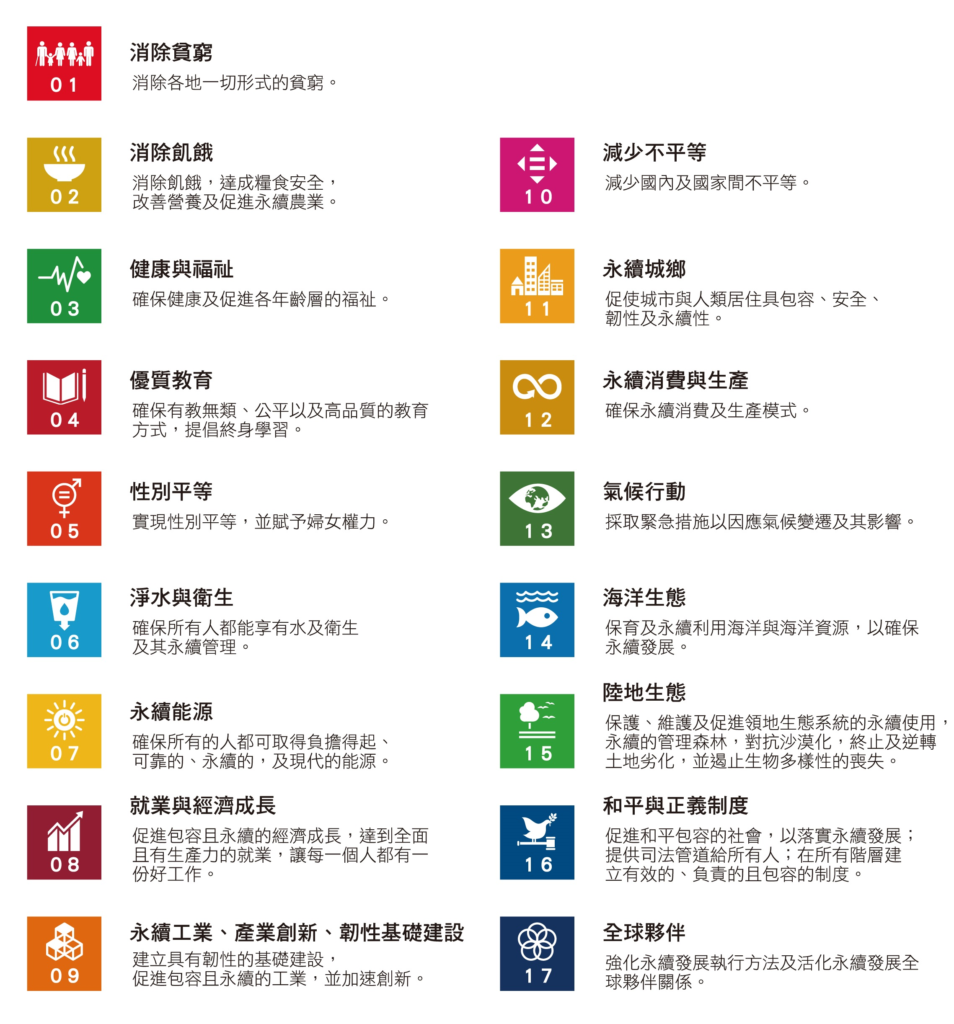
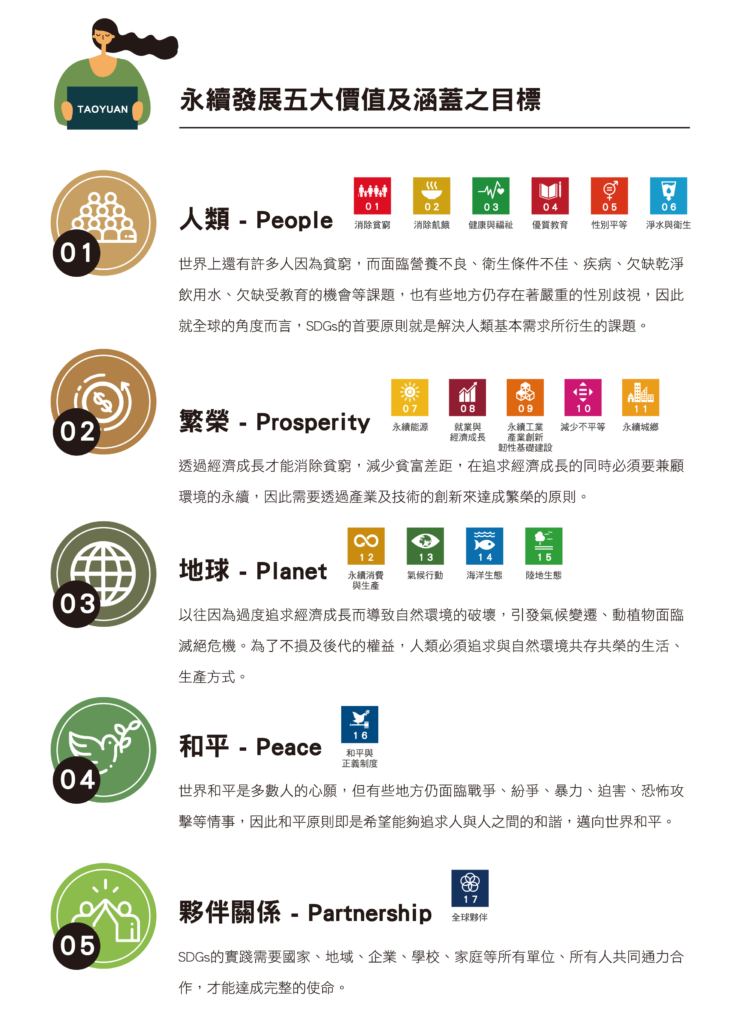
[参考] 何謂SDGs:
https://sdgs.tycg.gov.tw/home.jsp?id=9&parentpath=0,3
Food Tech
Food tech 6大領域
生產
在生產領域,是與生產食品的農業相關的部分。
這也被稱為智能農業,農業科技,旨在通過利用ICT進行農業,減少農民的工作量,穩定生產植物等。
流通
在流通領域,保鮮和低效運輸是一個問題。我們通過利用ICT來解決這些問題。
中餐、外餐
最近,中食需求高漲。因此,餐飲業的需求將下降,但為了解決它們,這是一種降低餐飲業成本的機制。
例如,舊金山和中國的“無人餐廳”,“機器人餐廳”等無人幹預的餐廳正在引起人們的關註。
特別是在中國,現金結算也很普及,從菜單的點單到結算,到菜單出來,實現了所有人都不介入的自動操作的餐廳也備受關註。
此外,在巴黎,似乎一流廚師的菜肴作為包括調味料等的套裝提供服務。
新一代食品
如上所述,這是通過技術改變食品本身的領域。
健康食品
食品科技被用於健康食品領域,從食物到健康。
代表性的服務有“基礎意大利面”。這是一種意大利面,可以混合厚生省推薦的身體所需的31種營養素,並在一餐中輕松補充缺乏的營養素。
烹飪技術
在烹飪領域,是與食品烹飪相關的工具。
例如,支持機器人手臂烹飪的服務,解凍以防止食物解凍損害味道的服務等。
Beyond Meat
https://www.beyondmeat.com/en-US/
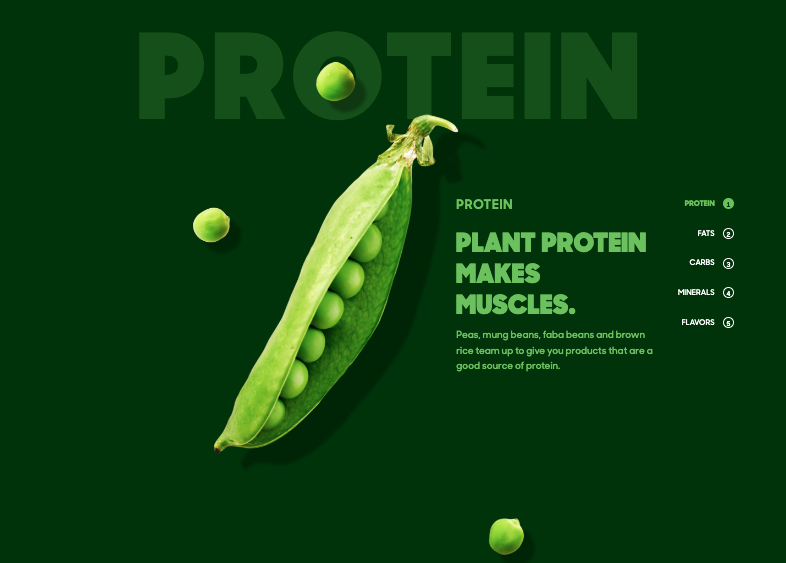
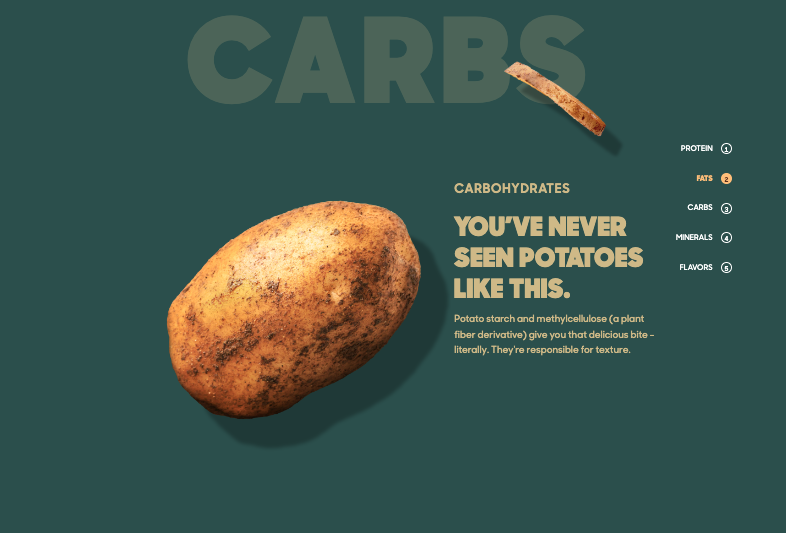
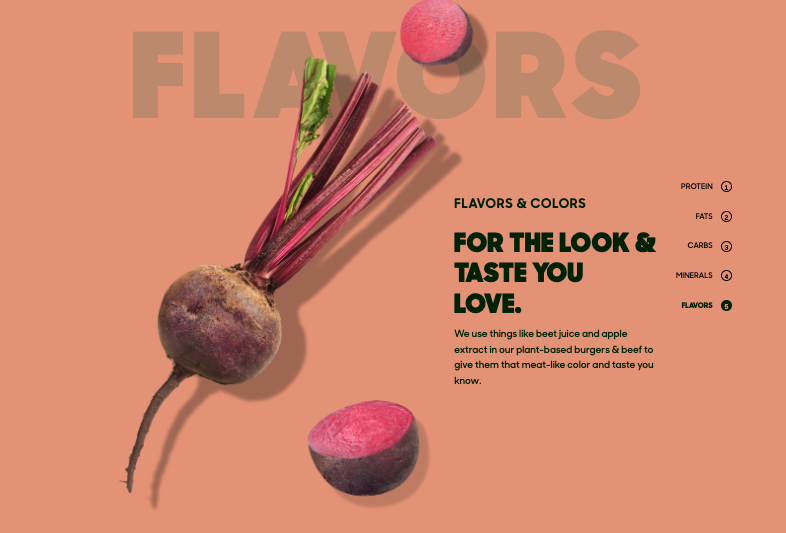
How is it made?

Impact of the Artificial Meat
Based on a comparative assessment of the current Beyond Burger production system with the 2017 beef LCA by Thoma et al, the Beyond Burger generates 90% less greenhouse gas emissions, requires 46% less energy, has >99% less impact on water scarcity and 93% less impact on land use than a ¼ pound of U.S. beef.
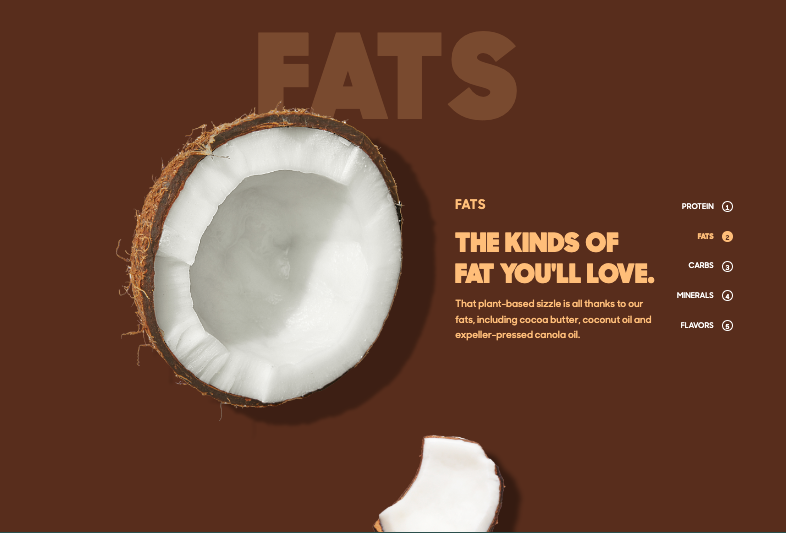
Production of the dominant ingredients – pea protein, canola oil, coconut oil – represent important contributions to greenhouse gas emissions (GHGE), energy use and land use. Packaging also is an important contributor across all impact categories: the polypropylene tray is the largest contributor to packaging’s share of GHGE, energy use, and water use, whereas fiber production for cardboard and pallets make notable contributions to land use. We estimate that switching to a polypropylene tray made of 100% postconsumer recycled content could reduce the overall GHGE of the BB life cycle by 2% and reduce energy use by 10%.
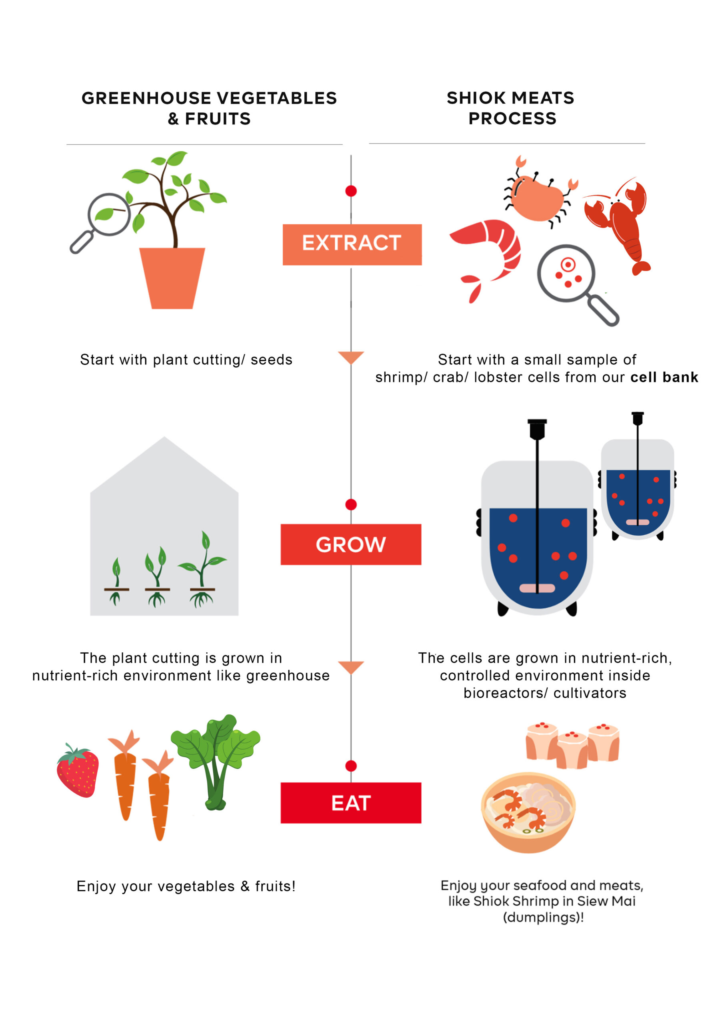
Lab-Grown Meat: Shiok Meats