Related Works
Concepts
Be Your Tongue:
Experient wine through the tongue’s perspective
From the wine emergence to get focus on the taste
Theoretical background
Event!-Motivated Event Construction 出来事! に動機づけられた事態構成
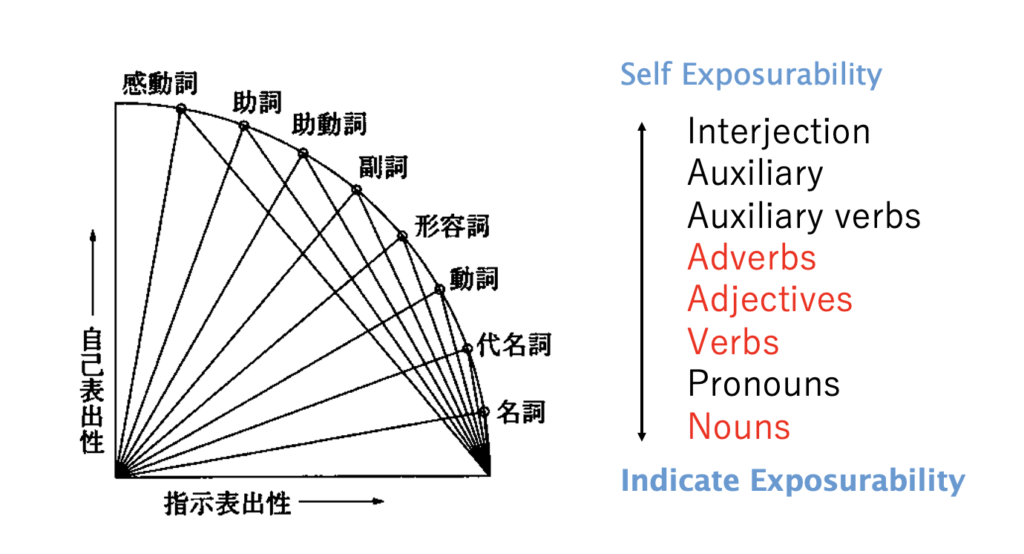
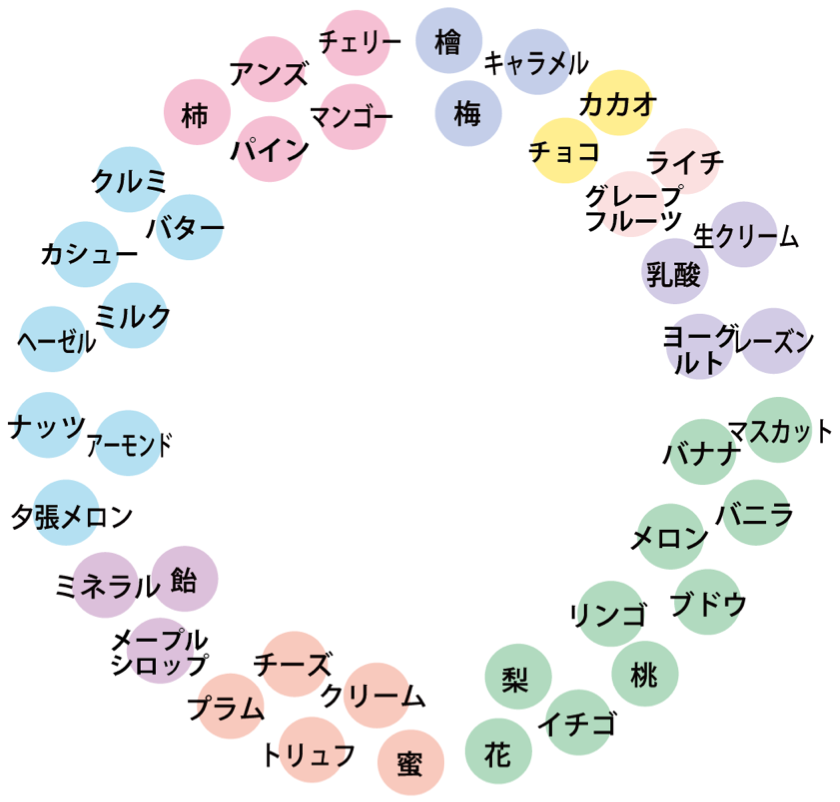
I propose a device focusing on adjectivals, as an alternative to a dominantly used method focusing on nouns.
名詞ではなく形容詞的な味の認知に着目したデバイスを提案する
I call the way of verbalization an “object-motivated event construction” where the experiencer primarily uses nouns to describe the event of tasting.
名詞的に味を経験するのは、「モノきっかけの事態構成」
This is commonly found in English tasting comments by wine sommeliers, as in
“I feel a note of black cherry, cassis, and the rich flavor of the oak,”
where the sommelier detects the elements of the flavor and verbalizes them, perhaps selecting the terms from his or her list of tasting words.
ソムリエのコメントは名詞の羅列ですよね
This is analogous to an “audio” or a “visual event construction,” where an event is reported objectively.
視聴覚の事態把握はモノきっかけです。
For instance, if an individual witnesses a traffic accident, he or she might construct the event as follows:
例えば交通事故の目撃を考えてみてください
[1] “there are two cars” → “two cars collide”
The example is illustrative of an “object-motivated event construction” where the focus is placed on identifying the event participants (i.e., cars), in the same manner as the sommelier identifies the flavors
車Aと車Bが先にあって→衝突するというのは、ソムリエの「香りAとBがあって、それが…」というのと同じ
An alternative way of reporting the same scene. I call this an “emergence!-motivated event construction.”
私が提唱する「出来事!に動機づけられた事態構成」というのは
[2] something happened! → something crashed! → Oh, two cars crashed.
何かが起きた! 衝突だ! ああ、2台の車が衝突した
This sequence might be thought of as merely a playful flipping of things.
However, the portrayal of the scenes in [1] and [2] is epistemologically distinct.
[1]と[2]は、単なる倒置ではなく認識論的に全く違う話
The object-motivated event construction [1] and emergence-motivated event construction [2] take opposite approaches.
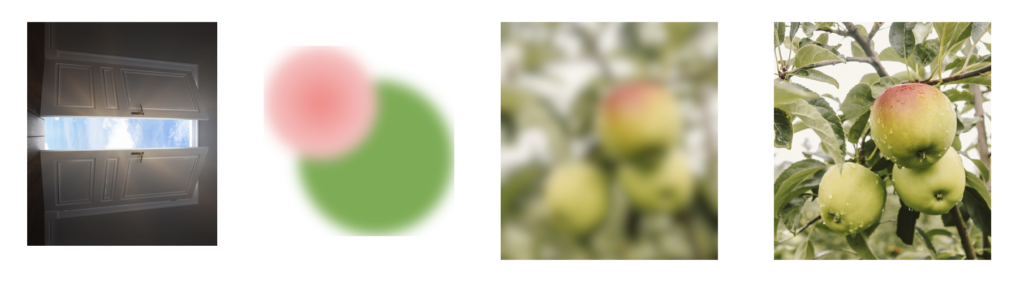
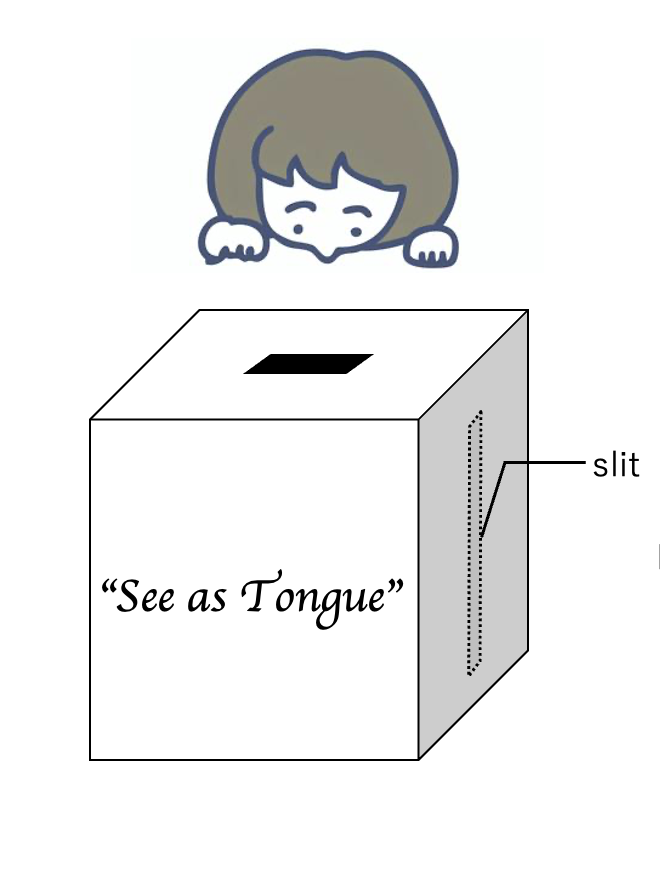
In what follows, I adopt the emergence-motivated event construction to define sake taste. Modeling [2], the sequence of cognizing tasting experience can be presented as in [3]:
味に置き換えたら[3]のようなかんじですね
[3] taste emerges → what this taste is? → I feel the taste of X and Y.
味がした! なんの味だろう XとYの味だ
The proposed analysis of the event construction of tasting is not the same as that of the visual event construction. When we taste something—that is, when we have an event construction of tasting or when we conceptualize what we taste in our mouths—what we feel first is not the element of taste, such as sweetness, acidity, apple flavor, or other flavors in sake (as expressed by nouns), but the emergence of the tasting event itself.
味覚の事象構築の分析提案は、視覚の事象構築の分析とは異なるものである。私たちが何かを味わうとき、つまり味覚の事象構築や口の中で味わうことを概念化するとき、最初に感じるのは甘み、酸味、リンゴ味、日本酒の風味などの味の要素(名詞で表現)ではなく、味覚の事象の出現そのものである。
Supporting emergence-motivated event construction means that adjectives, adjectival nouns, and verbs (but not nouns) take the leading role in the tasting description. The recognition of the emergence of an event is primarily expressed by adjectives and adjectival nouns. They are no longer merely modifiers but play a critical role, enabling us to encode the inceptive stage of our tasting experience.
Experience
Device Planning
Tools and materials
OPTION | smoke box, unclear water in the water tank
Designing Acrylic Board